

Link to “Sexology’s Fathers” at Fairer Disputations:
https://fairerdisputations.org/sexologys-fathers
This post includes a link to my YouTube video reading of my June 16 piece titled “Sexology’s Fathers: The Forgotten Roots of the Transgender Phenomenon,” published by Fairer Disputations.
The past couple of months have involved this research and writing about sexology, which I am excited to share. When Fairer Disputations staff and I edited the piece, back and forth, we specifically worked to make it more accessible—or as much as possible. Still, discussing sexology can be difficult, and the ideas surveyed would do for more extensive treatment, like Money’s view of “gender identity” as a product of early childhood socialization.
Apart from my reading of the piece, this post also includes a short abstract, a list of selected primary and secondary readings, and some excerpts from the readings that factored into my analysis. In my work-in-progress, I am writing more about similar themes, focusing on points where feminists and sexologists have either overlapped or diverged.
The readings listed and excerpted here are by no means exhaustive, but I think they fairly represent the sexologists and their feminist critics in their own words. The only exception here is Hirschfeld and his work facilitating the castrations of suicidal gay men at his Institute—because, according to his Institute, neither he nor his staff criticized what they did. Otherwise, there are useful selections from Ellis, Benjamin, Kinsey, and Money relevant to feminist criticism of these sexologists. I sort the readings into “‘Sex-Positive’ Tradition” and “‘Anti-Sex’ Tradition” to emphasize the paradox of associating negativity with sexology’s feminist critics opposing the field’s own negation of human dignity.
In addition, for Substack and YouTube, I will be continuing my series about Janice G. Raymond’s 1979 Transsexual Empire: The Making of the She-Male and her 2021 Doublethink: A Feminist Challenge to Transgenderism. Session III will cover the following:
TE, “Chapter II. Are Transsexuals Born or Made—or Both?” (pp. 43-68)
D, “Chapter I. The New Trans Biologism: Female Brains and Female Penises” (pp. 21-54)
Abstract
This piece argues that today’s so-called “transgender phenomenon” did not originate with 1990s third-wave feminism or queer theory but with a group of early-to-mid twentieth-century male sexologists whose influence has been peculiarly minimized to scapegoat feminism.
Examining Havelock Ellis, Magnus Hirschfeld, Harry Benjamin, Alfred Kinsey, and John Money, I contend that each contributed foundational ideas—from Ellis’s theories linking female sexuality to passivity and masochism; to Hirschfeld’s initial modern experiments with “sex change”; to Benjamin’s marketing of “sex conversion”; to Kinsey’s minimization of child sexual abuse; and, lastly, to Money’s advocacy for treating pedophilia as a sexual orientation and his “sexual rehearsal play” theories tied to the controversial Reimer twins case.
Drawing on radical feminist critics such as Florence Rush, Janice Raymond, Andrea Dworkin, and Sheila Jeffreys, I critique sexology as a pseudoscientific, evidently biased ideological framework that has medicalized and sexualized female subordination and has eroded children’s dignity under the guise of science and objectivity.
I further argue that prominent queer theorists, in particular Gayle Rubin, openly acknowledge sexology’s influence on their own sexual ideology, undercutting convenient narratives scapegoating feminism and denying other relevant cultural influences—namely, sexology.
The piece concludes that rewriting contemporary sexual ethics in full consideration of women and children, rather than upholding their exploitation, necessitates understanding sexology’s influence on today’s ideas about sexuality and gender.
Readings
“Sex-Positive” Tradition
Havelock Ellis, Selections from Studies in the Psychology of Sex, Vols. III & VII, 1903 & 1928
Ralf Dose, Magnus Hirschfeld: The Origins of the Gay Liberation Movement, 2014
[Dose’s biography discusses the early 1920s when Hirschfeld’s Institute facilitated castration among purported “treatments” for homosexual male patients led to believe they needed to be castrated to escape their homosexuality.]
Alfred C. Kinsey et al., Sexual Behavior in the Human Female, 1953
Harry Benjamin, The Transsexual Phenomenon, 1966
Wardell B. Pomeroy, Dr. Kinsey and the Institute for Sex Research, 1972
John Money and Anke A. Ehrhardt, Man and Woman, Boy and Girl: Gender Identity from Conception to Maturity, 1972
John Money, “Ablatio Penis: Normal Male Infant Sex-Reassigned as a Girl,” Archives of Sexual Behavior, vol. 4, no. 1, 1975
Robert C. Kolodny, William H. Masters, and Virginia E. Johnson, Textbook of Sexual Medicine, 1979
John Stoltenberg, “Future Genders,” Omni, May 1980
[Stoltenberg interviews Money about transsexualism and his theory of “sexual rehearsal play” for children to experience healthy psychosexual development.]
Gayle Rubin, “Thinking Sex: Notes for a Radical Theory of the Politics of Sexuality,” 1984
John Money, “Interview: John Money,” interview by Kathleen Stein, Omni, April 1986
John Colapinto, As Nature Made Him: The Boy Who Was Raised as a Girl, 2000
[Colapinto references the Reimers’ experience with Money subjecting them to “sexual rehearsal play,” a practice Money promoted like religious dogma.]
Joanne Meyerowitz, “Sex Research at the Borders of Gender: Transvestites, Transsexuals, and Alfred C. Kinsey,” Bulletin of the History of Medicine, vol. 75, no. 1, Spring 2001
[Meyerowitz discusses Kinsey’s more critical view of transsexualism, a contrast to Money’s science-fiction experimentation.]
“Anti-Sex” Tradition
Elizabeth Blackwell, The Influence of Women in the Profession of Medicine, 1890
Florence Rush, “The Sexual Abuse of Children: A Feminist Point of View,” 1971, in Noreen Connell and Cassandra Wilson, eds., Rape: The First Sourcebook for Women, 1974
Janice G. Raymond, The Transsexual Empire: The Making of the She-Male, 1979
Andrea Dworkin, Pornography: Men Possessing Women, 1981
Sheila Jeffreys, “Sexology and Antifeminism,” in Dorchen Leidholdt and Janice G. Raymond, eds., The Sexual Liberals and the Attack on Feminism, 1990
Sexology’s Fathers: The Forgotten Roots of the Transgender Phenomenon
[Introduction]
Elizabeth Blackwell, The Influence of Women in the Profession of Medicine: Address Given at the Opening of the Winter Session of the London School of Medicine for Women (Baltimore, 1890):
Simply sensuous life, without an ideal, or without higher principles of action than the limited needs of every day, tends to degrade the individual, and all who surround him. What we need is a clear idea of what is really right or wrong with the reasons on which the judgment is based, instead of a confused notion, or a vague and ever shifting standard. No woman student of medicine can safely ignore this subject. (p. 5)
Havelock Ellis: “Scientific” Misogyny
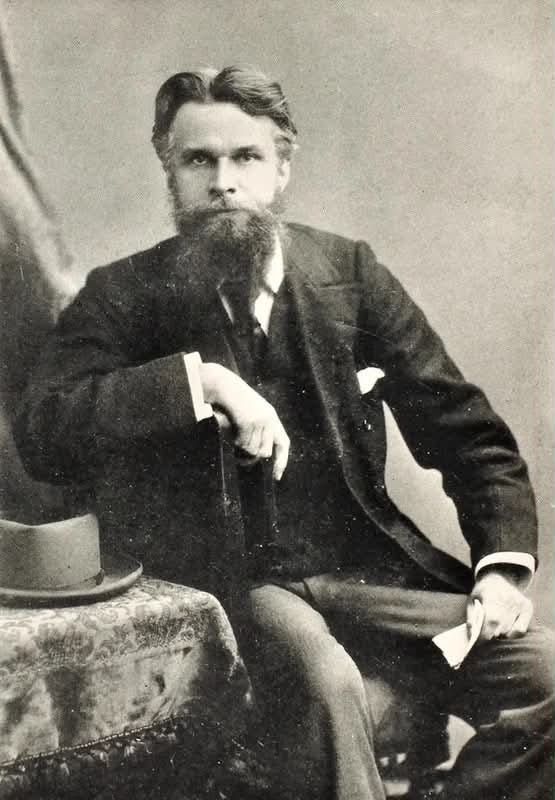
Ellis, Studies in the Psychology of Sex, vol. VII—Eonism and Other Supplementary Studies, Part Three, “The History of Florrie and the Mechanism of Sexual Deviation” (Philadelphia: F.A. Davis Company, Publishers, 1928), 194-195. See also Ellis, Studies in the Psychology of Sex, seven volumes in two volumes, vol. II, Part Two, “Eonism and Other Supplementary Studies” (New York: Random House, 1937), 194-195:
Nothing is constant and invariable in the sexual sphere, but it will probably be found, on careful observation, that the flagellatory interest in childhood is at least as frequent as the homosexual interest. It is not necessary here to discuss the origin of this interest and its natural foundation. We must regard the whip as a natural symbol of the penis. One of the most frequent ways in which the idea of coitus first faintly glimmers before the infantile mind—and it is a glimmer which, from an evolutionary standpoint, is biologically correct—is as a display of force, of aggression, of something resembling cruelty. Whipping is the most obvious form in which to the young mind this idea might be embodied. The penis is the only organ of the body which in any degree resembles a whip. The idea may be supported in the minds of some young boys, though this would not refer to girls, by the nature of the sensations experienced in the penis. Thus it comes about that, as Sadger remarks, ‘penis and whip are equivalent.’
Ellis, Studies in the Psychology of Sex, vol. III—Analysis of the Sexual Impulse; Love and Pain; The Sexual Impulse in Women, 1903, Part One, “Analysis of the Sexual Impulse,” and Part Three, “The Sexual Impulse in Women,” 2nd ed. (Philadelphia: F.A. Davis Company, Publishers, 1913), 33, 229:
Since Darwin wrote the Descent of Man [1871] the chief step in the development of the theory of sexual selection has been taken by [Karl] Groos [Die Spiele der Thiere, 1896; Die Spiele der Menschen, 1899], who has at the same time made it clear that sexual selection is largely a special case of natural selection. The conjunction of the sexes is seen to be an end only to be obtained with much struggle; the difficulty of achieving sexual erethism in both sexes, the difficulty of so stimulating such erethism in the female that her instinctive coyness is overcome, these difficulties the best and most vigorous males, those most adapted in other respects to carry on the race, may most easily overcome. In this connection we may note what Marro has said in another connection, when attempting to answer the question why it is that among savages courtship becomes so often a matter in which persuasion takes the form of force. The explanation, he remarks, is yet very simple. Force is the foundation of virility, and its psychic manifestation is courage. In the struggle for life violence is the first virtue. The modesty of women—in its primordial form consisting in physical resistance, active or passive, to the assaults of the male—aided selection by putting to the test man’s most important quality, force. Thus it is that when choosing among rivals for her favors a woman attributes value to violence.
. . .
Courtship resembles very closely, indeed, a drama or game; and the aggressiveness of the male, the coyness of the female, are alike unconsciously assumed in order to bring about in the most effectual manner the ultimate union of the sexes. The seeming reluctance of the female is not intended to inhibit sexual activity either in the male or in herself, but to increase it in both. The passivity of the female, therefore, is not a real, but only an apparent, passivity, and this holds true of our own species as much as of the lower animals. ‘Women are like delicately adjusted alembics,’ said a seventeenth-century author. ‘No fire can be seen outside, but if you look underneath the alembic, if you place your hand on the hearts of women, in both places you will find a great furnace.’ Or, as [Antonio] Marro [see La puberté chez l’homme et chez la femme, 1902] has finely put it, the passivity of women in love is the passivity of the magnet, which in its apparent immobility is drawing the iron toward it. An intense energy lies behind such passivity, an absorbed preoccupation in the end to be attained.
Ellis, “The History of Marriage,” in John Gawsworth, ed., Sex and Marriage (New York: Pyramid Books, 1957), 49-50. See also Ellis, Studies, vol. VII, 505-506:
In this latest [1922, fifth] edition [of History of Human Marriage, first edition published in 1891] Dr. Westermarck drops this assumption of an ‘instinct of aversion’ and therewith the only serious objections to his position fall away, though it is possible that he might even put the matter a little more clearly and positively, a little less negatively. He refers to a boy in Finland who made a distinction between the girls of his own school, and other girls, the latter only being what he termed ‘real’ girls.
That boy was quite correct. There is no ‘aversion’ from the women of one’s own group, far from it. But only the girl with whom one has not grown up from childhood, and become accustomed to, can ever be to us in the truly sexual sense, a real girl. That is to say, she alone can possess these powerful stimuli to the sense of sexual desirability, never developed in the people one has grown unconsciously used to, which are essential to the making of a real girl. All this is bound up with the essential facts of sexual psychology in Man and lower animals alike, and there are good biological reasons why it should be. How much Dr. Westermarck gained by abandoning the ‘instinct of aversion’ may be seen by the remarks of Freud, completely rejecting his original theory, which Westermarck quotes. Freud states, quite truly, that psychoanalytically it is impossible to accept an ‘innate aversion’ to incestuous feeling. That rejection is no longer to the point; the Westermarckian view, as now stated, becomes even more coherent than the Freudian, for Freud regards the infantile incestuous tendencies to which he attaches importance as violently repressed in later childhood, but it is far more plausible to argue that, in the healthily born, they die out naturally and normally under the usure of familiar life, when stronger stimuli from outside are applied. There is no need to invoke any ‘violent repression,’ save in exceptional cases. As Mapother states, perhaps even a little too emphatically: ‘It seems very natural that sexual tendencies of puberty should often incestuous. There seems little need to regard this tendency as specific, or to dignify it with special names. [He is referring to the ‘Oedipus Complex,’ the ‘Electra Complex,’ etc.] The adolescent takes as the material for fantasy-production that which is available. If juvenile incest were a common cause of psychosis the mental hospitals would require considerable enlargement.’ The occasional slight sexual attraction between near relations in early life and its usual disappearance at puberty or adolescence are thus both alike natural and normal. Dr. Westermarck might have pointed out that, in our civilization, the examples of really passionate incestuous attraction which now and then arise are nearly always between these persons who have been separated during the pubertal period, so that the dulling effect of familiar life on the development of sexual stimuli has been suspended. It is the simple fundamental impulses of normal life which all our customs and institutions and laws formulate and often emphasize. Human ingenuity sometimes molds them into extravagant shapes and camouflages them with fantastic designs, but it is the fundamental natural impulses beneath them which are the driving force.
Magnus Hirschfeld: Founder of “The World’s First Trans Clinic”
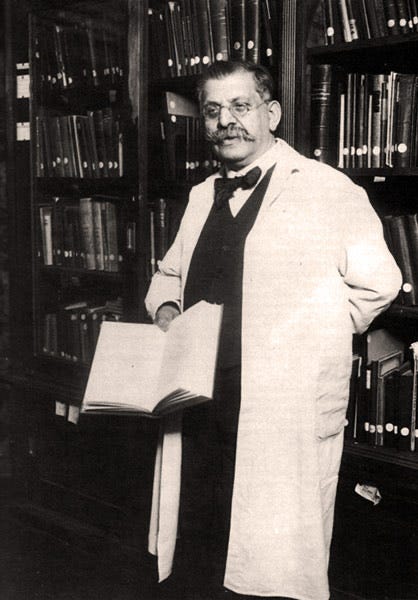
Brandy Schillace, “The Forgotten History of the World’s First Trans Clinic,” Scientific American, May 10, 2021, https://www.scientificamerican.com/article/the-forgotten-history-of-the-worlds-first-trans-clinic:
Hirschfeld sought to specialize in sexual health, an area of growing interest. Many of his predecessors and colleagues believed that homosexuality was pathological, using new theories from psychology to suggest it was a sign of mental ill health. Hirschfeld, in contrast, argued that a person may be born with characteristics that did not fit into heterosexual or binary categories and supported the idea that a ‘third sex’ (or Geschlecht) existed naturally. Hirschfeld proposed the term ‘sexual intermediaries’ for nonconforming individuals. Included under this umbrella were what he considered ‘situational’ and ‘constitutional’ homosexuals—a recognition that there is often a spectrum of bisexual practice—as well as what he termed ‘transvestites.’ This group included those who wished to wear the clothes of the opposite sex and those who ‘from the point of view of their character’ should be considered as the opposite sex. One soldier with whom Hirschfeld had worked described wearing women’s clothing as the chance ‘to be a human being at least for a moment.’ He likewise recognized that these people could be either homosexual or heterosexual, something that is frequently misunderstood about transgender people today.
Ralf Dose, Magnus Hirschfeld: The Origins of the Gay Liberation Movement (New York: Monthly Review Press, 2014), 73-74:
After the Viennese hormone researcher Eugen Steinach (1861–1944) succeeded in reversing the form of sexual behavior in rats and guinea pigs by implanting the opposite-sex gonads, Hirschfeld believed he was on the verge of a biological explanation of homosexuality. He hoped that in the near future evidence would be found in the testes of homosexual men and the ovaries of homosexual women showing that the hormones produced there differed from those in the organs of heterosexuals.
Unfortunately, this line of thinking led to Hirschfeld’s participation in some crude experiments in the early 1920s. A succession of homosexual men who wanted to be cured of their sexual peculiarity were implanted with testes of heterosexual men. As might have been expected, some of the patients, after they recovered from the operation, thought they now had heterosexual needs. But it soon became evident that the implanted testicle tissue did not simply heal and begin producing hormones. Instead it was absorbed or even necrotized and had to be removed. The end result was a lateral or complete castration, with all the well-known consequences for the patient’s physical and mental condition. Around 1924 this method of ‘curing’ homosexuals was conclusively discredited.
It is certainly striking that Hirschfeld apparently did not perceive the contradiction between his conception of homosexuality as natural and requiring no cure and these human experiments. At least, he never made mention of it. The fact that some of the patients on whom operations were performed were at high risk of suicide, and viewed this ‘cure’ as their last and best hope, and that Hirschfeld as a physician could not and did not wish to deny them that hope, is only a superficial explanation. Had the experiments succeeded, what would have become of Hirschfeld and his fellow campaigners trying to achieve equal rights for homosexual men and women? Surely a social environment hostile to homosexuals would have resorted to mandatory reassignment or readjustment therapy.
Magnus-Hirschfeld-Gesellschaft, Research Centre for the History of Sexology, “The Theory of Sexual Intermediaries,” circa 2001, https://www.hirschfeld.in-berlin.de/institut/en/theorie/theo_11.html:
The theory according to which homosexuality resides in the testicles rather than in the head, may be traced back to Eugen Steinach. He created articifial [sic] transitions in guineapigs by means of castration and subsequent testicle and/or ovary transplantation. He reported that the testicles regulated the development of male sexual characteristics, including sexual behaviour, and, in fact, not through the sperm-producing part, but, rather, the hormone-producing intercellular tissue.
In 1919, Steinach believed he had discovered ‘male’ cells in the ovaries of a ‘homosexual’ goat. From then on, he and the Institute’s scientists maintained there were ‘female’ cells in the testicles of homosexuals and ‘male’ cells in the ovaries of homosexual women. After studying the testicles of homosexual men, Hirschfeld concluded they revealed deviations.
He collected testicle specimens, the origins of which are unknown.
By castrating homosexual men and implanting ‘heterosexual’ testicle segments, several surgeons (i.e., Richard Mühsam) attempted to ‘switch the polarity’ of homosexuals. Even Hirschfeld referred patients for such operations, which were to be proven ‘unsuccessful’ later. No criticism of the testicle transplantations by Institute staff members has been recorded.
Harry Benjamin: Marketing “Sex Change”
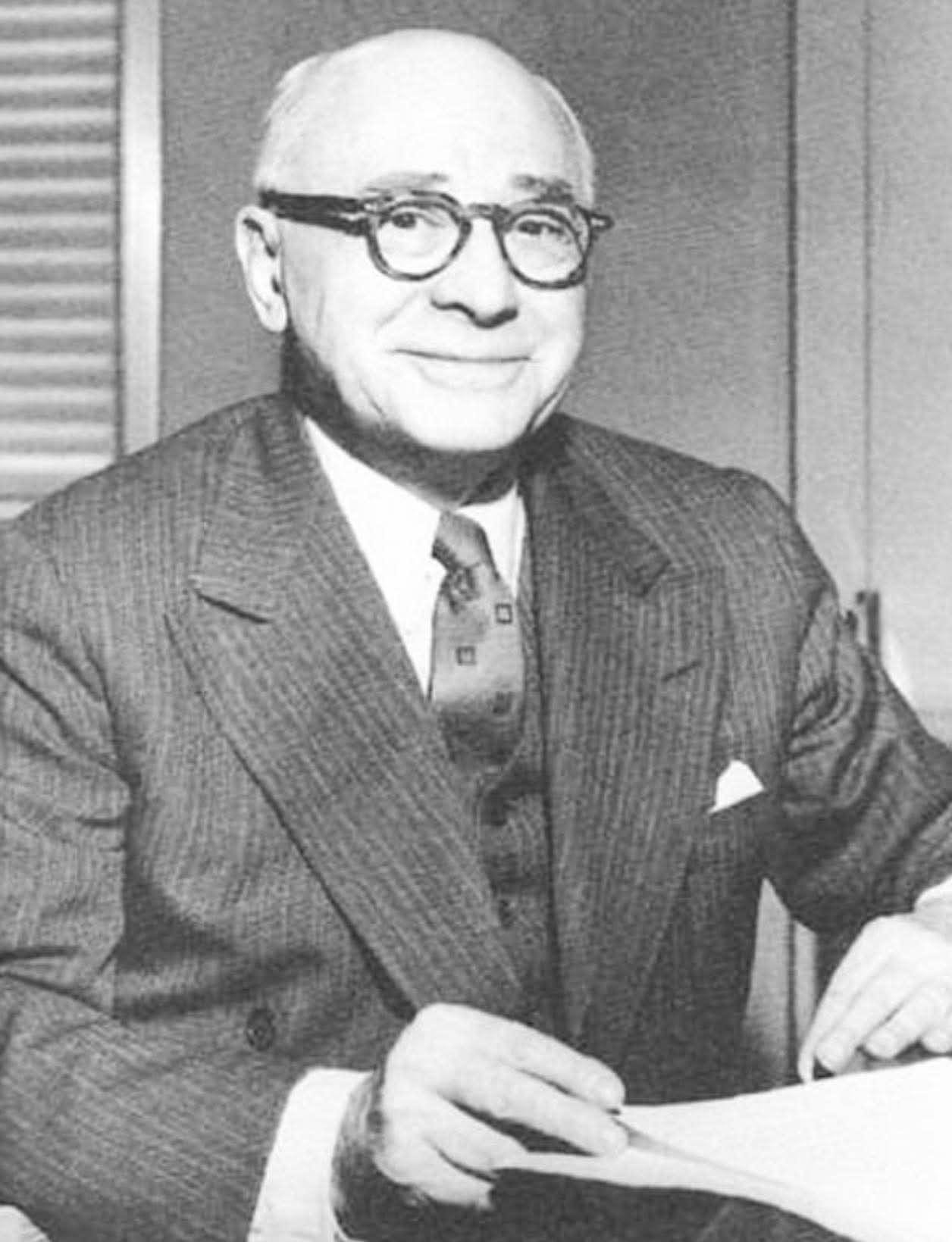
Benjamin, The Transsexual Phenomenon (New York: The Julian Press, Inc., Publishers, 1966), 12-14, 110, 164:
Transvestism (TVism) is a rather frequent occurrence, although it would be impossible to say how many transvestites (TVs) there are, for instance, in the United States. From students of the subject (TVs themselves) I have received estimates ranging from ten thousand to one million. Many transvestites are unknown as such, indulging in their hobby in the privacy of their homes, known perhaps only to their closest relatives, sometimes only to their wives. Others are most attracted to going out ‘dressed’ in order to be accepted as women in public by strangers. They may invite discovery and arrest, but this danger is an additional attraction for some of them. Others may live completely as women, their true status sometimes discovered only after death.
The majority of transvestites are overtly heterosexual, but many may be latent bisexuals. They ‘feel’ as men and know that they are men, marry, and often raise families. A few of them, however, especially when they are ‘dressed,’ can as part of their female role react homosexually to the attentions of an unsuspecting normal man. The transvestite’s marriage is frequently endangered as only relatively few wives can tolerate seeing their husbands in female attire. The average heterosexual woman wants a man for a husband, not someone who looks like a woman; but mutual concessions have often enough preserved such marriages, mostly for the sake of children.
It is not the object of this book to deal in detail with transvestism (TVism) in all its aspects. The object is to deal with transsexualism (TSism) principally. Yet, an extra chapter on TVism with further characterizations will have to be inserted in order to let the picture of transsexualism emerge more clearly. Repetitions will be unavoidable; but the relative unfamiliarity with the subject, even in the medical profession, may make those repetitions permissible, if not desirable.
The transsexual (TS) male or female is deeply unhappy as a member of the sex (or gender) to which he or she was assigned by the anatomical structure of the body, particularly the genitals. To avoid misunderstanding: this has nothing to do with hermaphroditism. The transsexual is physically normal (although occasionally underdeveloped).[1] These persons can somewhat appease their unhappiness by dressing in the clothes of the opposite sex, that is to say, by cross-dressing, and they are, therefore, transvestites too. But while ‘dressing’ would satisfy the true transvestite (who is content with his morphological sex), it is only incidental and not more than a partial or temporary help to the transsexual. True transsexuals feel that they belong to the other sex, they want to be and function as members of the opposite sex, not only to appear as such. For them, their sex organs, the primary (testes) as well as the secondary (penis and others) are disgusting deformities that must be changed by the surgeon’s knife. This attitude appears to be the chief differential diagnostic point between the two syndromes (sets of symptoms)—that is, those of transvestism and transsexualism.
The transvestite (TV) usually wants to be left alone. He requests nothing from the medical profession, unless he wants a psychiatrist to try to cure him. The transsexual (TS), however, puts all his faith and future into the hands of the doctor, particularly the surgeon. These patients want to undergo corrective surgery, a so-called ‘conversion operation,’ so that their bodies would at least resemble those of the sex to which they feel they belong and to which they ardently want to belong.
The desire to change sex has been known to psychologists for a long time. Such patients were rare. Their abnormality has been described in scientific journals in the past in various ways; for instance, as ‘total sexual inversion,’ or ‘sex role inversion.’ Beyond some attempts with psychotherapy in a (futile) effort to cure them of their strange desires, nothing was or could be done for them medically. Some of them probably languished in mental institutions, some in prisons, and the majority as miserable, unhappy members of the community, unless they committed suicide. Only because of the recent great advances in endocrinology and surgical techniques has the picture changed.[2]
. . .
Most important for my own satisfaction and consent to the operation was the belief that a reasonably successful ‘woman’ could result and, naturally, that there appeared to be no other way to help this patient through any form of conservative treatment to a happier and mentally healthier future.
For a ‘successful woman,’ I had in mind particularly the outward appearance and the impression of the total personality.
A heavy masculine build, a height of six feet or more, and a strong, dark beard were causes for worry and doubt. But even with these handicaps, the operation was performed in several instances, with or without my consent. So far, all seems to have gone well with them.
. . .
From the therapeutic end, it cannot be doubted or denied that surgery and hormone treatment can change a miserable and maladjusted person of one sex into a happier and more adequate, although by no means neurosis-free, personality of the opposite sex. The degree of such a change depends upon constitutional factors as well as upon the environment in which the individual’s new life pattern will develop.
Sex reassignment surgery, that is to say, a conversion operation, will be accepted eventually as a legitimate treatment for a selected group of transsexuals. Such is at least probable at this writing, unless radically new therapeutic procedures should succeed in bringing the psychological sex into harmony with the anatomical. No such procedures can now be visualized.
Operative techniques will have to be perfected so that the often all-important sex life as a female will be realized in a satisfactory manner.
Notes
[1] In rare cases a structural abnormality is said to have been found when the abdominal cavity was opened, for instance, ovaries in males. Such a TS would then also be a pseudohermaphrodite.
[2] A few daring surgeons performed ‘conversion operations’ thirty or forty years ago but with very doubtful if not unfavorable results. In most cases, they castrated or removed the penis only, without attempting to create a vagina (see case of Lilly Elbe, as described in Niels Hoyer’s Man into Woman, Dutton & Co., 1933).
Janice G. Raymond, The Transsexual Empire: The Making of the She-Male, 1979 (New York: Teachers College Press, 1994), 92-93, 191:
At Johns Hopkins, candidates for surgery are required to live out opposite-sex roles for at least six months. Many times, however, a longer period is required, and the average length of time demanded by the clinics is two years. During this time, hormonal treatments usually begin. Harry Benjamin has written that in evaluating the ‘true’ transsexualism of persons who came to him, ‘Most important for my own satisfaction and consent to the operation was the belief that a reasonably successful ‘woman’ could result.’[1] It is precisely here that doctors’ views of the cultural stereotypes are revealed, and transsexual candidates are judged on the basis of what a man’s view of a ‘real woman’ is. Concomitantly, of course, female transsexual candidates are also judged on the basis of what a man’s view of a man should be. But either way, men are perpetuating, judging, and reinforcing the cultural stereotypes. Consider, for example, this account:
‘Marriage is the foremost ambition of a converted transsexual. This is easily understood when one realizes that it is the most complete affirmation of femininity. Prostitution sometimes becomes a tempting substitute for marriage. There is no greater confirmation of femininity than that of having normal heterosexual men again and again accept her as a woman and even pay her for sex services.’[2]
The sexual objectification of such a perspective is obvious. Or consider the following view of womanhood: ‘A true feminine identification, for instance, would result in warm and continued relationships with men, a sense of maternity, interest in caring for children and the capacity to work productively and continuously in female occupations.’[3]
In an advice column to transsexuals that was published in Sexology Magazine, the following was specified:
‘You have to learn how to behave like a woman, how to walk, how to use your hands, how to talk, how to apply make-up, and how to dress. . . . Finally, but highly important, how do you know you can make a living as a woman? Have you ever worked as a woman before? I assume that so far, you have only held a man’s job and have drawn a man’s salary. Now you have to learn something entirely new.’[4]
What this ‘advice’ conveys, aside from confirming the economic oppression of women in a patriarchal society, is uncritical acceptance of this situation—distinguishing a ‘man’s job’ and earnings from a woman’s, encouraging transsexuals to also accept this distinction, and indeed requiring that they do so before they are recommended for surgery. Moreover, this conformity on the part of the transsexual is often labeled by doctors, psychiatrists, and clinics as ‘high motivation.’
. . .
Harry Benjamin first became interested in sex conversion (which he later named transsexualism) when sex researcher Alfred Kinsey referred him to a case that he, Kinsey, could not understand. Kinsey was preparing a second volume on sexual behavior and discovered in the taking of his case histories a young boy whose great ambition was to become a girl. Benjamin subsequently began seeing other cases of a similar nature, began referring candidates abroad for surgery before the operation could be performed legally in the United States, and published the first systematic and professional account of transsexualism in a volume entitled The Transsexual Phenomenon (New York: Julian Press, 1966).
Notes
[1] Harry Benjamin, The Transsexual Phenomenon (New York: Julian Press, 1966), p. 110.
[2] Norman Block and Arthur Tessler, “Transsexualism and Surgical Procedures,” Surgery, Gynecology, and Obstetrics, 132 (March 1971): 522.
[3] Jon K. Meyer and John E. Hoopes, “The Gender Dysphoria Syndromes: A Position Statement on So-Called ‘Transsexualism,’” Plastic and Reconstructive Surgery, 54 (October 1974): 447
[4] Quoted in Benjamin, The Transsexual Phenomenon, p. 109.
Alfred Kinsey: Dismissing Child Sexual Abuse
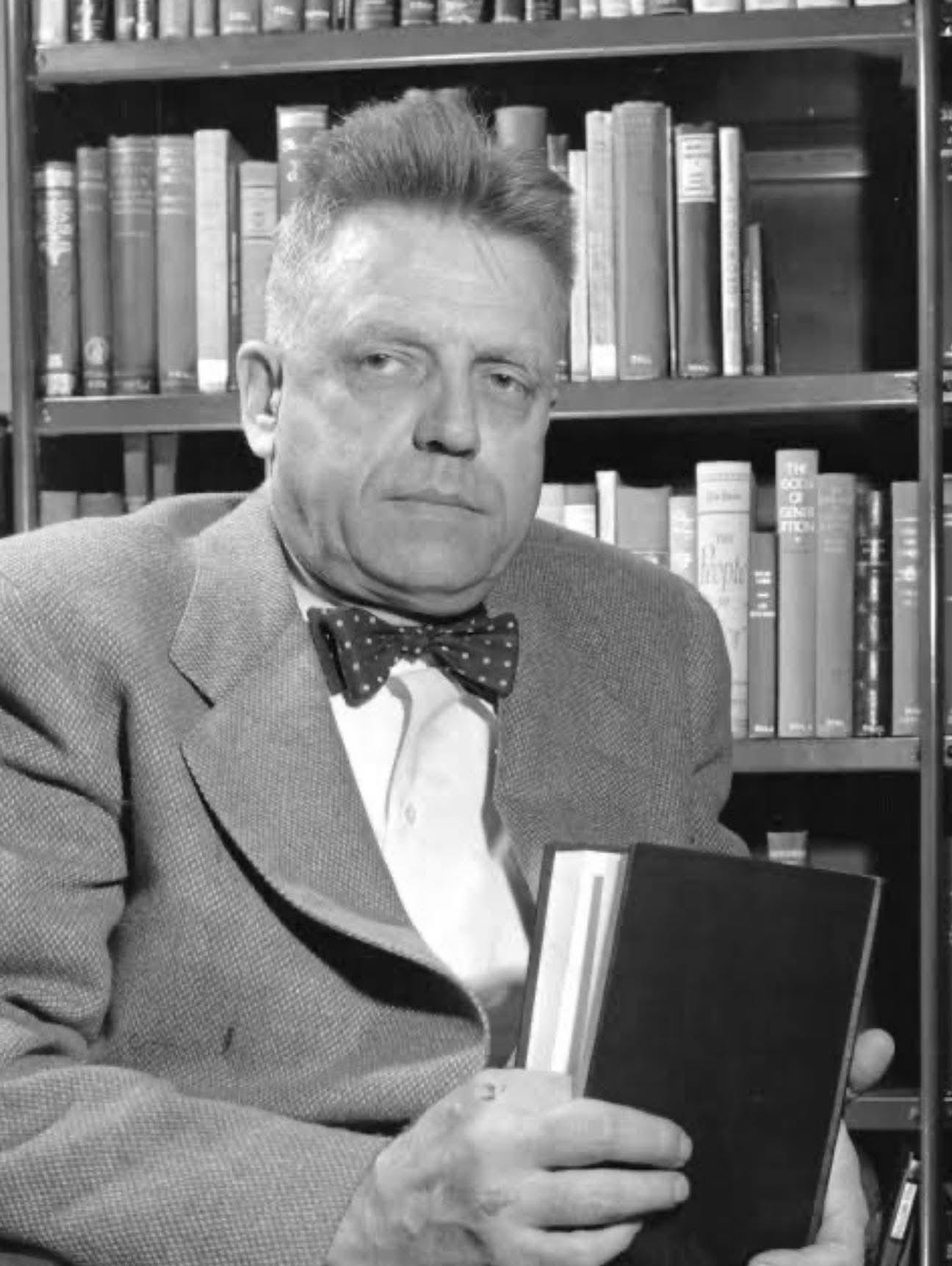
Kinsey et al., Sexual Behavior in the Human Female (Philadelphia: W.B. Saunders Company, 1953), 121:
On the other hand, some 80 per cent of the children had been emotionally upset or frightened by their contacts with adults. A small portion had been seriously disturbed; but in most instances the reported fright was nearer the level that children will show when they see insects, spiders, or other objects against which they have been adversely conditioned. If a child were not culturally conditioned, it is doubtful if it would be disturbed by sexual approaches of the sort which had usually been involved in these histories. It is difficult to understand why a child, except for its cultural conditioning, should be disturbed at having its genitalia touched, or disturbed at seeing the genitalia of other persons, or disturbed at even more specific sexual contacts. When children are constantly warned by parents and teachers against contacts with adults, and when they receive no explanation of the exact nature of the forbidden contacts, they are ready to become hysterical as soon as any older person approaches, or stops and speaks to them in the street, or fondles them, or proposes to do something for them, even though the adult may have had no sexual objective in mind. Some of the more experienced students of juvenile problems have come to believe that the emotional reactions of the parents, police officers, and other adults who discover that the child has had such a contact, may disturb the child more seriously than the sexual contacts themselves. The current hysteria over sex offenders may very well have serious effects on the ability of many of these children to work out sexual adjustments some years later in their marriages.
Wardell B. Pomeroy, Dr. Kinsey and the Institute for Sex Research, 1972 (New Haven: Yale University Press, 1982), 122-123:
The longest history we ever took was done thus, conjointly, by Kinsey and me. We had heard through Dr. Dickinson of a man who had kept an accurate record of a lifetime’s sexual behavior. When we got the record after a long drive to take his history, it astounded even us, who had heard everything. This man had had homosexual relations with 600 preadolescent males, heterosexual relations with 200 preadolescent females, intercourse with countless adults of both sexes, with animals of many species, and besides had employed elaborate techniques of masturbation. He had set down a family tree going back to his grandparents, and of thirty-three family members he had had sexual contacts with seventeen. His grandmother introduced him to heterosexual intercourse, and his first homosexual experience was with his father. If that sounds like Tobacco Road or God’s Little Acre, I will add that he was a college graduate who held a responsible government job. We had traveled from Indiana to the Southwest to get this single extraordinary history, and felt that it had been worth every mile.
At the time we saw him, this man was sixty-three years old, quiet, soft-spoken, self-effacing—a rather unobtrusive fellow. It took us seventeen hours to get his history, which was the basis for a fair part of Chapter Five in the Male volume, concerning child sexuality. Because of these elaborate records, we were able to get data on the behavior of many children, as well as of our subject.
At one point in his history taking he said he was able to masturbate to ejaculation in ten seconds from a flaccid start. Kinsey and I, knowing how much longer it took everyone else, expressed our disbelief, whereupon our subject calmly demonstrated it to us. I might add, in case this story confirms the worst fears of any surviving critics, it was the only sexual demonstration among the 18,000 subjects who gave their histories.
Florence Rush, “The Sexual Abuse of Children: A Feminist Point of View,” 1971, in Noreen Connell and Cassandra Wilson, eds., Rape: The First Sourcebook for Women (New York: Plume, 1974), 69-70:
This study [Study Number 3—Kinsey’s Sexual Behavior in the Human Female, 1953] involved a general investigation into the sexual behavior of women. Over 4,000 women were studied and 24 percent of these reported pre-adolescent experiences with an adult male.
‘It is difficult to understand why a child, except for its cultural conditioning, should be disturbed by having its genitalia touched or disturbed by seeing the genitalia of another person. . . . Some of the more experienced students of juvenile problems have come to believe that the emotional reactions of the parents, police and other adults . . . may disturb the child more seriously than the contacts themselves. The current hysteria over sex offenders may well have serious effects on the ability of many children to work out sexual adjustment some years later.’
With the usual male arrogance, the author cannot imagine that a sexual assault on a child constitutes a gross and devastating shock and insult, so he blames everyone but the offender. The fact is that sexual offenses are barely noticed except in the most violent and sensational instances. Most sex offenses are never revealed; when revealed, most are either ignored or not reported; if reported, a large percentage are dismissed for lack of proof, and when proof is established many are dropped because of the pressure and humiliation forced on the victim and family by the authorities.
Andrea Dworkin, Pornography: Men Possessing Women, 1981 (New York: Picador, 2025), 170-171:
Kinsey counted and classified sexual acts, a technique he described as ‘taxonomic, in the sense in which modern biologists employ the term. . . . The transfer from insect to human material is not illogical, for it has been a transfer of a method that may be applied to the study of any variable population, in any field.’ Kinsey had spent a good part of his life as a scientist collecting and classifying gall wasps, called by male scientists ‘killer wasps.’ He took the methods he had applied in describing the gall wasp and applied them to human sexuality. Kinsey’s first absolute claim was that his method was scientific and objective, uncolored by social prejudices or moral judgments: ‘That much is expected of the student measuring the lengths of insect wings, recording chemical changes that occur in a test tube, or observing the colors of the stars. It is not too much to expect similar objectivity of the student of human behavior.’ Kinsey’s material on sexual acts was collected through interviews. Challenged on his ability to recognize absolute truth in verbal descriptions of sexual acts, the objective scientist countered : ‘As well ask a horse trader how he knows when to close a bargain.’[1]
Note
[1] Kinsey’s sources were, in fact, much more unreliable than anyone could deduce from reading either of his volumes on human sexuality. In his biography, Dr. Kinsey and the Institute for Sex Research (New York: Harper & Row, Publishers, 1972), p. 122, Wardell B. Pomeroy, a disciple and coresearcher with Kinsey, unselfconsciously tells this story: [Here Dworkin quotes Pomeroy’s account of when he and Kinsey recorded the story of the serial pedophile, and she puts emphasis on the part where Pomeroy says that man’s sex history was used for “data on the behavior of many children.”]
John Money: Transsexualism and Childhood “Sexual Rehearsal Play”
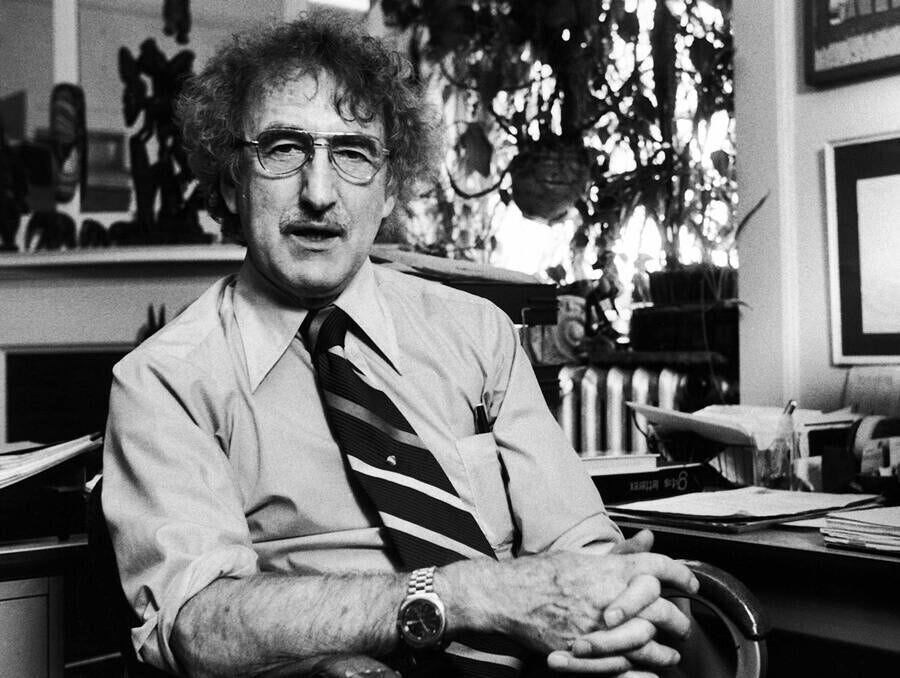
John Money and Anke A. Ehrhardt, Man and Woman, Boy and Girl: Gender Identity from Conception to Maturity, 1972 (Northvale, NJ: Jason Aronson, Inc., 1996), 119-120:
During the follow-up time of nearly six years since surgery, the parents have kept in close contact with us, making visits on an annual basis to get psychological support and guidance. The mother’s observations and reports have provided us with an insight into changes in her rearing practices towards the sex-reassigned child, and into the different way that she rears this child as compared with the twin brother.
The first items of change were clothes and hairdo. The mother reported: ‘I started dressing her not in dresses but, you know, in little pink slacks and frilly blouses... and letting her hair grow.’ A year and six months later, the mother wrote that she had made a special effort at keeping her girl in dresses, almost exclusively, changing any item of clothes into something that was clearly feminine. ‘I even made all her nightwear into granny gowns and she wears bracelets and hair ribbons.’ The effects of emphasizing feminine clothing became clearly noticeable in the girl’s attitude towards clothes and hairdo another year later, when she was observed to have a clear preference for dresses over slacks and to take pride in her long hair.
Related to being dressed nicely is the sense of neatness. The mother stated that her daughter by four and a half years of age was much neater than her brother, and in contrast with him, disliked to be dirty: ‘She likes for me to wipe her face. She doesn’t like to be dirty, and yet my son is quite different. I can’t wash his face for anything. . . . She seems to be daintier, Maybe it’s because I encourage it.’ Elsewhere in this same recorded interview, the mother said: ‘One thing that really amazes me is that she is so feminine. I’ve never seen a little girl so neat and tidy as she can be when she wants to be. . . . She is very proud of herself, when she puts on a new dress, or I set her hair. She just loves to have her hair set; she could sit under the drier all day long to have her hair set. She just loves it.’
John Money, “Ablatio Penis: Normal Male Infant Sex-Reassigned as a Girl,” Archives of Sexual Behavior, vol. 4, no. 1, 1975, 65:
Forty-five cases of genetic males were assigned and habilitated as females, 43 because of a congenitally defective penis (micropenis with or without hypospadias), and two because of infantile ablatio penis. One of the latter has an identical twin brother as a control. Now 9 years old, she [sic] has differentiated a female gender identity in marked contrast to the male gender identity of her [sic] brother. Some of the other patients are now adolescent or adult in age. They demonstrate that the twin can expect to be feminine in erotic expression and sexual life. Maintained on estrogen therapy, she [sic] will have normal feminine physique and a sexually attractive appearance. She [sic] will be able to establish motherhood by adoption.
Robert C. Kolodny, William H. Masters, and Virginia E. Johnson, Textbook of Sexual Medicine (Boston: Little, Brown and Company, 1979), 65:
Money and Ehrhardt [in Man and Woman, Boy and Girl, 1972] provide dramatic documentation of the importance of learning in the process of gender identity formation with several case histories of sex reassignment in infancy. In one instance, a normal 7-month-old baby boy with an identical twin brother underwent circumcision by electrocautery which, due to severe burning, resulted in destruction of the penis. After extensive medical and psychological consultation, this child was subsequently raised as a girl and underwent surgery for female genital construction (at the time of normal puberty, hormone replacement therapy will be needed and will have to be maintained). The childhood development of this (genetically male) girl [sic] has been remarkably feminine and is very different from the behavior exhibited by her [sic] identical twin brother. The normality of her [sic] development can be viewed as a substantial indication of the plasticity of human gender identity and the relative importance of social learning and conditioning in this process.
John Stoltenberg, “Future Genders,” Omni, May 1980, 73, 116:
Some critics have indeed suggested that the medical establishment, to which Money belongs, serves to reinforce the false separation between male and female—particularly by promoting the ‘treatable syndrome’ of transsexualism. Foremost among those critics is Dr. Janice Raymond, assistant professor of women’s studies and medical ethics at Hampshire College and the University of Massachusetts, in Amherst.
In her 1979 book The Transsexual Empire: The Making of the She-Male, Dr. Raymond argued that transsexual surgery is nothing lets than ‘an antisocial activity that promotes the worst aspects of patriarchal society by encouraging adaptation to its sex roles.’ Because transsexualism so emphasizes a dichotomy between women and men, it ‘constitutes a ‘sociological program’ that is undercutting the movement to eradicate sex-role stereotyping and oppression in this culture.’
She singled out John Money for having contributed ‘a pseudometaphysics’ in transsexualism’s defense—‘a new theory of the social ‘nature’ of sex-role differences that is just as immutable (and absolute) as older biological natural law theories.’ Raymond cites as an example Money’s view that gender identity is irreversibly fixed by the age of about eighteen months.
Up to a point, Money agrees. ‘You can’t ignore the fact—if you want to say it this way —that a sick society produces transsexualism, or any other sexual problem,’ he says. ‘But you can’t simply say, ‘To hell with all these poor suffering individuals. I’m going to clean up the society first.’ You do both together, don’t you? The sin is that you would just keep on treating the suffering while at the same time you endorse the perpetuation of the society that creates it.’
He does not intend, Money says, to endorse the perpetuation of that society: ‘The whole purpose of paying attention to transsexualism is to force society to change its entire attitude toward, for instance, the sex education of its children, and its attitude toward normal primate sexual rehearsal play in infancy.’
Children’s sexual rehearsal play is a topic about which Money may be more zealous than he is about any other subject. Projecting on the classroom screen a picture of young monkeys playing at coital sex, he wonders aloud, ‘If sexual rehearsal play is so essential to psychosexual normalcy in these young monkeys, then what on Earth is it that we’re doing to our children by prohibiting and punishing sexual rehearsal play?
‘I think that we produce all the psychosexual disorders, all of the sex-offender disorders that get people thrown in jail, because, instead of encouraging children to develop normal heterosexual play patterns, we encourage them to develop no sexual play patterns at all: That’s a hypothesis that cries out for further research, which I suppose one day will be done,’ he tells his class as he projects slides taken secretly by telescopic lens of a boy, about five, with his pants down, mounting a girl slightly younger.
Money, “Interview: John Money,” interview by Kathleen Stein, Omni, April 1986, 84:
I have a large group of gynemimetic patients [men impersonating women]—so does anybody who deals with gender problems—who do not want their penises removed, do not want a vagina constructed, and the corresponding is true for the women-to-men. They simply want to take hormones and live their lives as members of the opposite sex. Now if we had a sexual democracy, we’d have a place for both kinds of people. A book called The Transsexual Empire argues that it’s only these cruel, vicious, and heartless members of the medical profession who are forcing these poor darlings to go and get themselves cut up and mutilated, whereas we should leave them alone. Well, I have news for whoever wrote that book: You’d have lots of patients willing to get a gun and blow off their own genitals if you don’t do it. I’ve had several who got knives and cut themselves trying to get rid of their sex organs. That’s their obsession!
John Colapinto, As Nature Made Him: The Boy Who Was Raised as a Girl, 2000 (New York: Harper Perennial, 2006), 87-88:
Though the children could not know this, the genital inspections that Dr. Money demanded they perform were central to his theory of how children develop a sense of themselves as boy or girl—and thus, in Money’s mind, crucial to the successful outcome of Brenda’s sex reassignment. For as Money stressed in his writings of the period, ‘The firmest possible foundations for gender schemas are the differences between male and female genitals and reproductive behavior, a foundation our culture strives mightily to withhold from children. All young primates explore their own and each others’ genitals, masturbate, and play at thrusting movements and copulation—and that includes human children everywhere, as well as subhuman primates. The only thing wrong about these activities is not to enjoy them.’
But the children did not enjoy these enforced activities—particularly those involving ‘play at thrusting movements and copulation,’ which Brian recalls that Dr. Money first introduced when the twins were six years old. Money, he says, would make Brenda [i.e., a young David] assume a position on all fours on his office sofa and make Brian come up behind her [sic] on his knees and place his crotch against her [sic] buttocks. Variations on the therapy included Brenda lying on her [sic] back with her [sic] legs spread and Brian lying on top of her [sic]. On at least one occasion, Brian says, Dr. Money took a Polaroid photograph of them while they were engaged in this part of the therapy.
Of all the therapy the children received, this particular form of counseling left the deepest impression on both twins. Today David is still unwilling to speak about it. ‘There are some things I don’t want to remember,’ he says. In 1989 he did describe the sessions to Jane Fontane, the woman who would become his wife. The two had just watched a TV documentary on CIA torture involving electroshock to people’s genitals. ‘He cried hysterically,’ Jane told me. ‘He was crying about John Money. I’d never seen him like that. I tried to comfort him. David said Dr. Money made him go on all fours and made Brian go up behind his butt. They were being photographed. He mentioned that very act.’
Joanne Meyerowitz, “Sex Research at the Borders of Gender: Transvestites, Transsexuals, and Alfred C. Kinsey,” Bulletin of the History of Medicine 75, no. 1 (Spring 2001), 88-89:
Kinsey continued to doubt the wisdom of transsexual surgery and continued to advise homosexuality for male-to-females who sought to change their sex. He worried that those who changed their sex would not be able to find employment. But mostly he seemed concerned about genitals: ‘A male cannot be transformed into a female through any known surgical means,’ he wrote one correspondent; ‘in other words, it would be very hopeless to attempt to amputate your male organs and implant a vagina.’ As his colleague Paul Gebhard remembered, Kinsey asked postoperative male-to-female transsexuals whether they could orgasm, thus revealing his ongoing concern with the ‘genital outlet.’ Gebhard also remembered that Kinsey, despite his sympathy and tolerance, thought that some transsexuals, in particular, were ‘neurotic.’ To the end of his life, Kinsey hesitated to endorse transsexual surgery, although he came to understand that transsexuals were not simply self-denying or guilt-ridden homosexuals. In 1953 he told a correspondent that sex-change operations were illegal and beyond acceptable medical practice in the United States, and encouraged him instead to live as a woman without the benefit of surgery. Two years later, he noted that ‘many persons act too quickly in deciding that they want genital operations.’
Queer Theory as Backlash
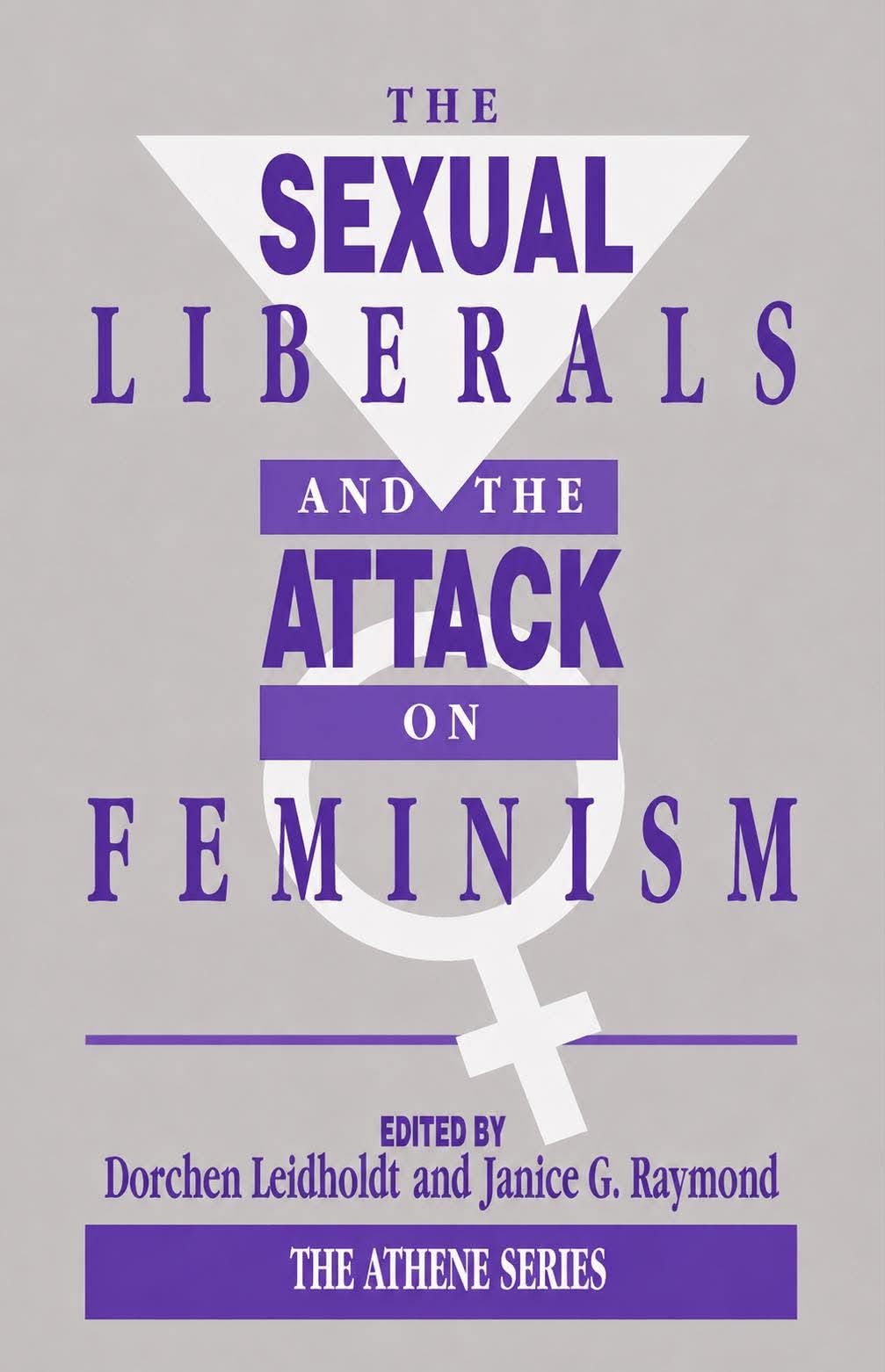
Sheila Jeffreys, “Sexology and Antifeminism,” in Dorchen Leidholdt and Janice G. Raymond, eds., The Sexual Liberals and the Attack on Feminism (New York: Teachers College Press, 1990), 15, 18-19, 23:
I want to show that a very similar backlash against feminists has happened before, against the first wave of feminism. This backlash at the beginning of the twentieth century, which carried on into the 1920s, has been called by historians the first sexual revolution of the twentieth century. There are supposed to have been two, one in the 1920s and one in the 1960s. What I suggest is that this so-called sexual revolution was in fact a backlash against feminists, and the values produced by this revolution are the values now being promoted by the sexual liberals in their attack again on feminism.[1]
I don’t think I’m saying anything controversial because the sexual liberals themselves are only too pleased to point out their links with the sexologists and sex reformers who took part in that backlash against feminists at the beginning of this century. For instance, Gayle Rubin, a promoter of sadomasochism and a sexual libertarian, sees herself as being in a pro-sex tradition with a pedigree going back to Havelock Ellis, the sex reformer (Gayle Rubin, 1984). The feminists fighting pornography and male sexual violence are in what she calls the antisex tradition, starting in the first wave of feminism. And I am pleased to see myself as being in that tradition, although of course I wouldn’t see it as being an antisex tradition exactly.
I take Gayle Rubin seriously. She’s certainly in the Havelock Ellis tradition. I want to tell you some things about Havelock Ellis which those of you who have read my book will know [see Jeffreys, The Spinster and Her Enemies: Feminism and Sexuality, 1880-1930, 1985; Jeffreys, ed., The Sexuality Debates, 1987]. His work needs to be considered because he is said to be so tremendously important by sexual liberals. Whole books are being written about him now saying how good he was for women and for everybody.
. . .
At the beginning of the twentieth century the most famous name in sexology in Britain, and I think probably in the world, was Havelock Ellis. Although Freud is a more familiar name and he was of course a sexologist and in correspondence with Havelock Ellis, if we look at the average marriage advice manual, it is the words and ideas of Havelock Ellis we will find there, not those of Sigmund Freud. Havelock Ellis is your friendly neighborhood sexologist.
Ellis has been seen as the founder and father of sex advice literature, so Jeffrey Weeks, a gay male sexual libertarian historian of the present, describes Ellis’s work as ‘one of the springs from which the stream of sexual liberalism has flowed with apparent ease’ (Sheila Rowbotham and Jeffrey Weeks, 1977). Edward Brecher describes him as ‘the first of the yea-sayers’ to sexuality (Edward Brecher, 1970). There is no doubt he was and is a crucially important influence.
He argued first of all that men and women were entirely different biologically and therefore psychologically. Using this idea of difference, he set out to show how male and female sexuality were entirely distinct. Not surprisingly, the map he gave us of male and female sexuality showed that male sexuality was absolutely and inevitably aggressive, taking the form of pursuit and capture, and that it was normal and inevitable for men to take pleasure in inflicting pain on women (Sheila Jeffreys, 1987). Woman’s sexuality, he said, was passive. Women were supposed to be captured and took ‘delight’ in experiencing pain at the hands of male lovers.
According to Ellis, female sexuality was based upon evolution, and derived from female animals who were coquettish and led the male animals on. The human female was supposed to be coquettish, too. She was supposed to keep looking over her shoulder, egging on the male animal. At the last moment she was supposed to give in. Female sexuality was passive and masochistic. How did Ellis know this? Well, he said, it was obvious. Women in France enjoyed being beaten up by their pimps; working-class women in the East End of London enjoyed being beaten up by their husbands; and then there was the woman undergoing a clitoridectomy who had an orgasm as the knife passed through her clitoris. Ellis insisted that you could tell from the expression on a woman’s face during orgasm that it was pain she was feeling. For women, he concluded, pain and pleasure were inextricably linked.
It is important to remember that throughout this century feminists have criticized these sexologists. They criticized Ellis, too. He responded by saying that, despite what feminists might say, women’s delight in pain was so obvious that there was no point in even taking feminists’ arguments seriously.
. . .
Throughout the twentieth century, women have been the problem for sexology and sex reform. Gradually the frontiers have been pushed back, as the sexual revolutionaries would tell us. More and more practices are becoming perfectly normal. More and more practices are becoming the sorts of things that women should enjoy and be enthusiastic about. Women have been a problem all along because they have never shown the right enthusiasm. In the beginning women simply had to enjoy sexual intercourse. Then along came Forum magazine. In the late 1960s and 1970s, women were to enjoy spanking and deep throat. In Alex Comfort’s Joy of Sex, women were to enjoy sadomasochism and dressing up as a cross between a ‘snake and a seal’ (Alex Comfort, 1979). All of these things women had to enjoy, so you can see why women’s lack of enthusiasm has presented a difficulty. It still presents a difficulty.
Note
[1] ‘Sexual liberals’ are those who subscribe to the 1960s’ agenda of sexual tolerance, to the idea that sex is necessarily good and positive, and that censorship is a bad thing. Sexual libertarians have a more modern agenda and actively advocate the ‘outer fringes’ of sexuality, such as sadomasochism, with the belief that ‘sexual minorities’ are in the forefront of creating the sexual revolution.
Gayle Rubin, “Thinking Sex: Notes for a Radical Theory of the Politics of Sexuality,” 1984, in Richard Parker and Peter Aggleton, eds., Culture, Society, and Sexuality: A Reader, 2nd ed. (New York: Routledge, 2007), 174-175:
Finally, this so-called feminist discourse [see Andrea Dworkin on pornography, Kathleen Barry on prostitution, Janice G. Raymond on transsexualism, Florence Rush on child sexual abuse, and Jeffreys also listed among Rubin’s targets] recreates a very conservative sexual morality. For over a century, battles have been waged over just how much shame, distress, and punishment should be incurred by sexual activity. The conservative tradition has promoted opposition to pornography, prostitution, homosexuality, all erotic variation, sex education, sex research, abortion, and contraception. The opposing, pro-sex tradition has included individuals such as Havelock Ellis, Magnus Hirschfeld, Alfred Kinsey, and Victoria Woodhull, as well as the sex-education movement, organizations of militant prostitutes and homosexuals, the reproductive rights movement, and organizations such as the Sexual Reform League of the 1960s. This motley collection of sex reformers, sex educators, and sexual militants has mixed records on both sexual and feminist issues. But surely they are closer to the spirit of modern feminism than are moral crusaders, the social purity movement, and anti-vice organizations. Nevertheless, the current feminist sexual demonology generally elevates the anti-vice crusaders to positions of ancestral honour, while condemning the more liberatory tradition as anti-feminist.
Andrea Dworkin, Pornography: Men Possessing Women, 1981 (New York: Picador, 2025), 110:
Havelock Ellis, considered a feminist by scholars in the male tradition, sees the penis as properly and intrinsically suggesting a whip and the whip as a logical and inevitable expression of the penis:
‘We must regard the whip as a natural symbol for the penis. One of the most frequent ways in which the idea of coitus first faintly glimmers before an infantile mind—and it is a glimmer which, from an evolutionary standpoint, is biologically correct—is as a display of force, of aggression, of something resembling cruelty. Whipping is the most obvious form in which to the young mind this idea might be embodied. The penis is the only organ of the body which in any degree resembles a whip.’
. . .
The language changes from writer to writer, but what remains constant is that this intense sense of estrangement from the female provides the necessary basis for sexual excitement. The woman whom the male knows as a person, not as object, can never, as Havelock Ellis puts it, be ‘a real girl’:
But only the girl with whom one has not grown up from childhood, and become accustomed to, can ever be to us in the truly sexual sense, a real girl. That is to say, she alone can possess these powerful stimuli to the sense of sexual desirability, never developed in the people one has grown unconsciously used to, which are essential to the making of a real girl.’
Ellis goes on to claim that this inability to be aroused by a girl (sic) with whom one has grown up has biological origins in both man and lower animals.
If you are unable to become a paid subscriber through Substack, then please feel free to donate via PayPal, if able. I am grateful for reader support!

Thank you so much for presenting your research to us. This historical record is so helpful in understanding where so much of the arrogance and misogyny of transactivism comes from: as male-oriented systemic bias that invites amplification by personal animosity.
Plus zero interest in or concern for actual women or children... of course. A pretty ugly combination, true to its founding fathers.